The Loss That Never Fully Leaves: Trauma Therapy for Adults Who Experienced Early Parental Loss

There are some losses that people expect you to grow out of.
Early parental loss is one of them.
If you lost a parent as a child or teenager, chances are you heard some version of this message over the years:
You were strong.
You handled it so well.
You grew up fast.
You’re resilient.
And maybe all of that is true.
But what often goes unspoken is how that loss continues to live quietly inside adulthood.
Because early parental loss is not just a single moment of grief. It becomes an experience your nervous system organizes itself around.
Many adults come to therapy decades later confused by anxiety, perfectionism, relationship struggles, or chronic emotional exhaustion without realizing how deeply early loss shaped them.
They don’t come saying, “I need to process grief.”
They come saying:
I feel responsible for everything.
I struggle to relax.
I’m terrified of losing people I love.
I feel alone even when I’m surrounded by support.
What they are often carrying is unfinished attachment grief.
How Losing a Parent Early Shapes Adult Emotional Development
When a parent dies or disappears early in life, a child doesn’t just lose a person.
They lose a sense of emotional safety.
Children rely on caregivers to regulate overwhelming feelings. A parent helps a child learn:
The world is predictable.
People stay.
I am protected.
I don’t have to handle everything alone.
When that attachment is interrupted, the child’s nervous system adapts in order to survive.
Some children become incredibly responsible.
Some become hyper-independent.
Some become emotional caretakers for everyone around them.
From the outside, these adaptations often look like maturity.
Inside, they are survival strategies.
As adults, many people who experienced early parental loss don’t recognize their anxiety or emotional patterns as trauma related because they “functioned well.”
They succeeded.
They achieved.
They became dependable.
But functioning is not the same as feeling safe.
Signs Early Parental Loss May Still Be Affecting You as an Adult
The effects of childhood loss often appear indirectly.
You might notice:
Persistent Fear of Losing Loved Ones
Even when relationships are stable, there may be a constant background fear that something terrible could happen.
You may check in frequently, worry excessively, or feel anxious when people are late responding.
Your nervous system learned early that connection can disappear without warning.
Hyper-Independence and Difficulty Asking for Help
Many adults who lost a parent young learned quickly that relying on others felt risky.
You may pride yourself on handling everything alone while secretly longing for support.
Accepting help can feel uncomfortable or even unsafe.
Perfectionism and Over-Responsibility
Children coping with loss often try to restore stability by being “good,” capable, or easy.
As adults, this can become perfectionism.
You may feel responsible for everyone’s emotions, outcomes, or happiness.
Rest feels undeserved because your system equates vigilance with safety.
Emotional Numbness or Difficulty Accessing Grief
One of the most common experiences is not feeling grief at all.
Many children suppress mourning because survival requires adaptation.
Years later, adults say things like:
“I don’t think I ever really processed it.”
“I don’t remember being that sad.”
“I just kept going.”
The grief didn’t disappear.
It simply waited.
Why Early Loss Often Resurfaces During Motherhood
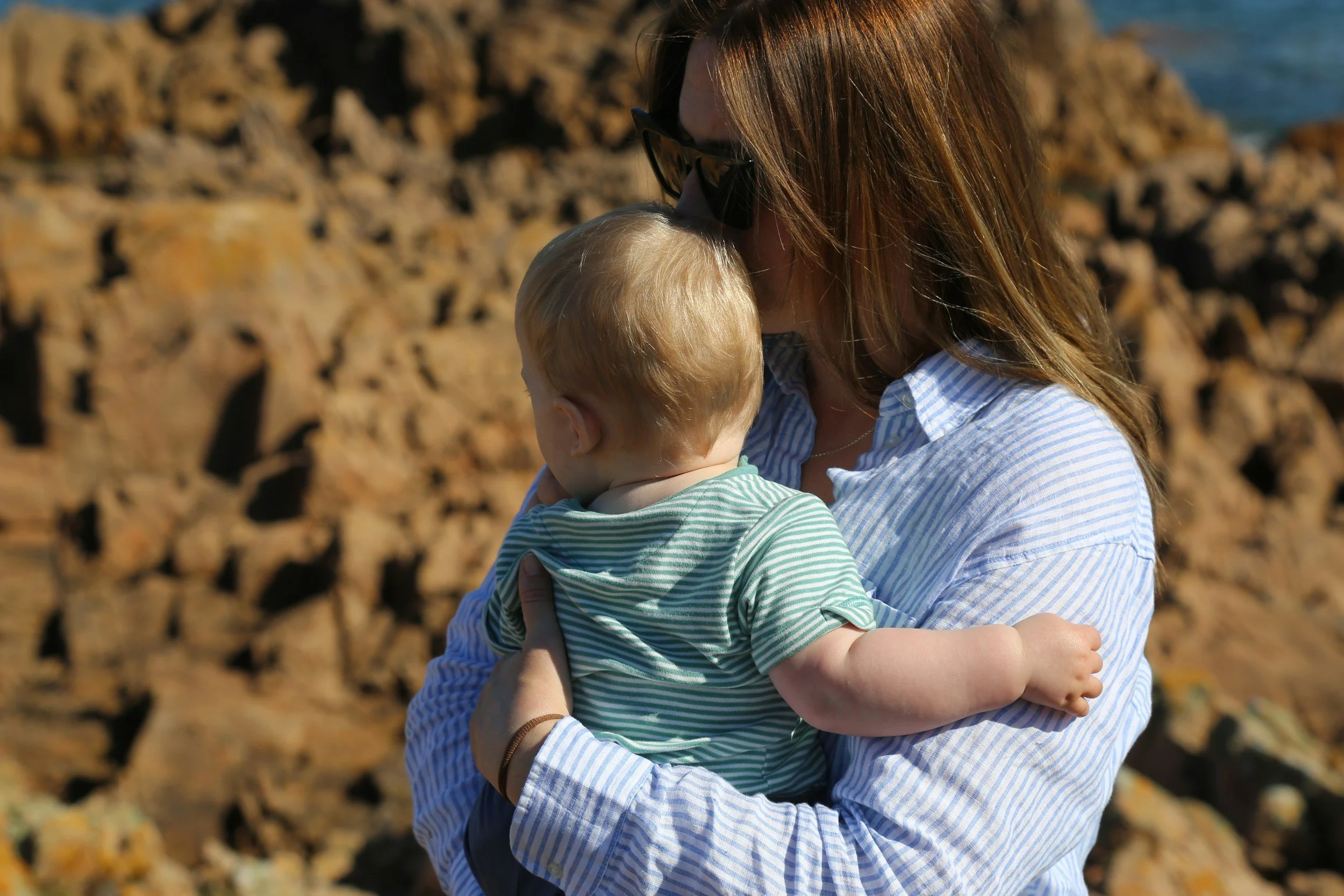
Many women notice the impact of parental loss most strongly when they become mothers themselves.
Motherhood activates attachment systems.
Suddenly you may find yourself thinking:
I wish my parent could see this.
I wish I had someone to ask.
I feel alone doing this.
Milestones that should feel joyful can carry unexpected sadness.
Watching your children grow can highlight what you lost at the same age.
You may also notice heightened anxiety about your children’s safety.
Your nervous system remembers, even if your conscious mind believes everything is fine.
Motherhood often reopens developmental stages that were interrupted by loss.
Not to retraumatize you.
But to offer an opportunity for healing.
The Hidden Grief Adults Carry After Early Parental Death
One of the most painful parts of early parental loss is that grief evolves over time.
You don’t grieve once.
You grieve repeatedly.
You grieve:
graduations without them
weddings without them
becoming a parent without their guidance
everyday moments you wish you could share
Each life stage brings new understanding of what was lost.
Many adults feel confused by waves of sadness decades later, wondering why it still hurts.
The truth is simple and deeply human:
You are grieving not only who they were, but who they would have been in your life now.
Why Traditional Coping Strategies Often Stop Working
Early survival strategies work beautifully for children.
They help you adapt, succeed, and move forward.
But adulthood eventually asks something different.
You may begin to notice:
emotional exhaustion despite success
difficulty feeling fully present
anxiety that doesn’t match current circumstances
relationship patterns that feel repetitive
What once protected you may now limit emotional freedom.
This is often when people seek therapy, not because they are broken, but because their nervous system is ready to heal beyond survival mode.
How Trauma Therapy Helps Heal Early Attachment Loss
Trauma therapy approaches early parental loss differently than traditional talk therapy alone.
The goal isn’t simply revisiting memories.
It’s helping the nervous system complete unfinished emotional experiences.
In trauma-informed therapy, we work toward helping your brain understand something it never fully integrated:
The loss happened.
But you are safe now.
You are no longer the child who had to cope alone.
Processing Unresolved Grief Safely
Many adults fear opening grief because they worry it will overwhelm them.
Trauma therapy moves at a regulated pace.
Clients often discover that grief, when supported, feels less like drowning and more like releasing something long held.
Repairing Attachment Wounds
Early loss can create unconscious expectations that people leave or that closeness is dangerous.
Therapy provides a corrective emotional experience where consistency, safety, and connection are rebuilt over time.
This helps relationships outside therapy feel more secure.
Reducing Anxiety Linked to Loss Trauma
Modalities like EMDR or Brainspotting allow the brain to reprocess stored emotional memories.
Clients frequently notice:
less anticipatory anxiety
less catastrophic thinking
greater emotional steadiness
Not because they forget the loss, but because the nervous system stops living as if loss is imminent.
Integrating the Child Self With the Adult Self
One of the most powerful parts of healing is reconnecting with the younger self who carried too much too soon.
Many adults realize they spent years being strong without ever being comforted.
Therapy allows space for compassion toward that younger version of you.
And surprisingly, this often increases confidence rather than vulnerability.
Why Healing Early Parental Loss Changes Parenting

When unresolved grief heals, parenting often shifts.
Parents report:
greater patience with their children
less fear-driven parenting
more emotional presence
reduced guilt and self-criticism
You begin parenting from connection rather than unconscious survival patterns.
Many mothers describe feeling emotionally freer, able to enjoy moments instead of bracing for loss.
Healing doesn’t erase your past.
It changes how much power it holds over your present.
You Are Not “Too Late” to Heal Childhood Loss
A common belief I hear is:
“If I made it this far, why deal with it now?”
Because healing is not about revisiting pain unnecessarily.
It’s about allowing yourself to live with less weight.
Early parental loss often teaches children to minimize their own needs.
As adults, many people struggle to believe they deserve support for something that happened long ago.
But trauma is not measured by time.
It is measured by impact.
And healing remains possible at every stage of life.
What Healing Often Feels Like
People expect trauma therapy to feel dramatic.
More often, healing shows up quietly.
You notice:
You worry less about losing people.
You rest more easily.
You allow yourself to be cared for.
You feel less alone inside your own life.
The loss remains part of your story.
But it no longer defines your nervous system.
Therapy for Adults Healing From Early Parental Loss

If you experienced the loss of a parent early in life and still notice anxiety, emotional heaviness, or relationship struggles, therapy can help you process grief that may never have had space before.
You do not have to carry childhood survival strategies forever.
Healing is not about forgetting the person you lost.
It is about helping the part of you that lost them finally feel supported.
If you’re ready to explore therapy or want to learn how trauma-informed approaches like EMDR can help, I invite you to schedule a free consultation.
You deserved support then.
You deserve support now too.